
Finding Gresham Residents by Record
There is no single official list of everyone at every Gresham address. The question shapes the record. A current parcel question starts with the county property account. A recorded transfer starts with the deed index. Courts belong to Oregon Judicial Department records. An older address often surfaces in a library directory or rural-route volume. Each source captures a different relationship. Property data can name an owner of record and show where tax notices go. Yet it never proves a full household. A deed documents parties and a date, but those parties are not necessarily current residents. Keep a short note with every result. Note the source, date, spelling, identifier, and what the record actually proves. That habit matters in Gresham. Mailing address, physical address, and legal description are separate fields. It also keeps same-named people from being merged. For a past household, pick the directory whose geography matched the area at the time. Then corroborate with a map, deed, newspaper, or probate file.
- Match the known detail to the custodian. Use an address or Property ID for a tax-account question, a name and date for a recorded document, and a case detail for court material.
- Confirm the location in the county or City parcel tools, then save the legal description or map and tax-lot clue before moving to an older record.
- Read roles closely. Grantor and grantee identify transfer roles, while a tax mailing address identifies a notice route rather than an occupant.
- For an older household, ask Multnomah County Library for the Gresham, nearby, or rural directory that fits the period and boundary.
- When a record is not self-service, make a narrow request to DART, the court records office, the City Recorder, Oregon Health Authority, or another named custodian.
Note: An official index is a starting point, so verify a consequential result with the office that keeps the record.
Gresham Property Records Start With Keys
MultCoPropTax offers free guest access by Property ID or street address. Results can show ownership, land and building details. They also list values, tax amounts, payment history, and the tax bill. TaxGraph takes one Property ID or address. It asks searchers to leave off the street type. It adds a five-year values and taxes view. Neither tool is an occupancy list. The County keeps a mailing address, a physical address, and a legal description for different purposes. The mailing field only tells the tax office where notices go. The documented map-search description adds owner name, map page, and section routes. Start with the key you actually know. An address query can identify a current account. A map, tax lot, or legal description carries the search into older deeds, plats, and surveys. The Gresham Map is a useful local companion. It accepts a site address, business name, county property ID, or state property ID. Parcel results may show size, building year, zoning, and neighborhood-association context.
| Gresham property search field | How it is used |
|---|---|
| Property ID or property address | MultCoPropTax and TaxGraph entry point for a county account. |
| Owner name | Documented in the County Tax District & Map Image Viewer, not asserted for guest tax search. |
| Tax lot, plat name, or survey number | SAIL routes these land-description clues to county map and survey material. |
| Site address or county/state property ID | Gresham Map entry points for a City parcel view. |
See the County property-search screen before using the county account route.
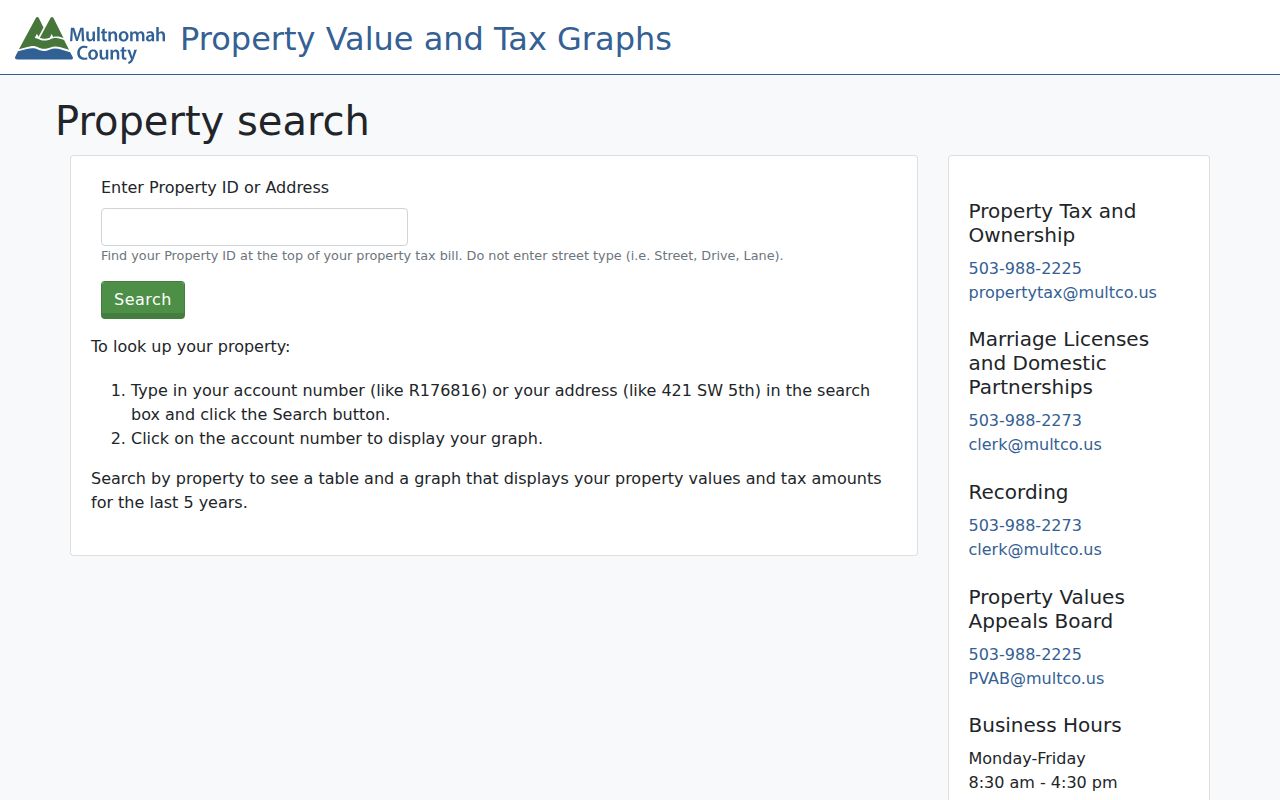
That single Property ID-or-address field is a cue to begin with the record key the County publishes. Save the returned account details for later verification. The MultCoPropTax guest-entry page appears before the basic public property search.
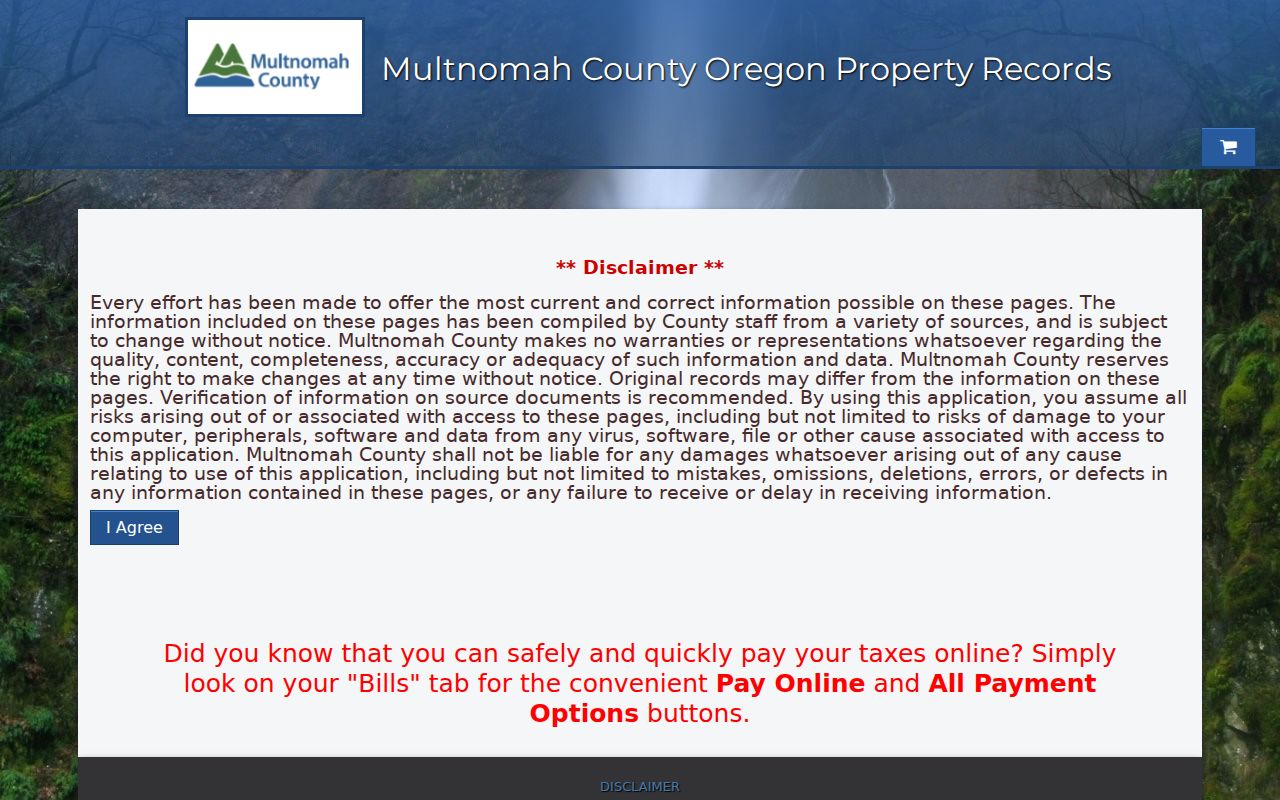
Guest access suits a current account question. For older tax and assessment material, DART's research room and request process cover the ground.
Gresham Map Clarifies Parcel Geography
A City parcel view earns its place first. A Gresham resident search can then spread past one address. Gresham Map links an address to parcel facts, aerial imagery, zoning, and a neighborhood-association layer. County SAIL works differently. It supports address, tax-lot, plat-name, and survey-number searching. It also ties each parcel to assessor images, plats, and survey records. The County Surveyor's materials reach back to 1852. Together the tools complement each other. None supplies a public roster for a street or neighborhood. Read the parcel record to understand the land. Do not use it to claim every person tied to it. Pan and click one parcel at a time. Then confirm the owner of record through the county account or DART. Gresham Map has scheduled maintenance on the second and fourth Tuesday from 7 to 9 p.m. A failed search in that window may reflect maintenance rather than a missing property. The newer SAIL ArcGIS platform was announced in February 2026. The older platform is expected to retire, so interface details can change.
- Parcel
- A defined piece of land shown in the county's assessment and map systems.
- Legal description
- The land description used in a deed or survey, more durable than a street number.
- Situs address
- The physical location of a property, distinct from the address used for tax notices.
- Plat
- A recorded map that lays out lots, blocks, or subdivisions.
Gresham Resident Records Custodians
Gresham records about who lives where mostly sit with the county, not City Hall. The City Recorder holds what the city itself creates. That means council records, permits, inspections, police and fire material, and planning files. Property taxes, deeds, marriages, divorces, births, deaths, and elections all belong elsewhere. Gresham points those questions to Multnomah County or the right state office. DART is the hub for property and recording. It is the county Division of Assessment, Recording and Taxation. It hands out recorded property documents plus tax and assessment information. Court files, probate, divorce files, and birth records are not its business.
A street-wide address question should follow the parcel route, not the City Recorder. Work from the current parcel, then the county account, then the recorded-document chain. That sequence answers address questions far better than any city office. A name tied to a court case belongs elsewhere. The right door is the Multnomah County Circuit Court, not DART.
Multnomah County Recorder / Register of Deeds
501 SE Hawthorne Blvd., Suite 175
Portland, OR 97214
8:30 a.m.–4:30 p.m., Monday–Friday
Multnomah County DART Property Tax
501 SE Hawthorne Blvd., Suite 175
Portland, OR 97214
DART research room, one hour per person daily
Multnomah County Elections
1040 SE Morrison Street
Portland, OR 97214
503-988-8683, Monday–Friday 8–5
Gresham Deed Records Outlast the Web Index
MultCoRecords is the county's public recorded-document index. It covers material from February 2002 forward. You can search by name, date, document type, or related criteria. A result may show a document number, its type, the recording date, party name, party type, legal description, and a non-certified image option. Treat these as documented property relationships, not a resident roll. The party-type field does real work here. It separates people actually indexed on the document. Read any title transfer alongside the legal description and the current county account. Name matching alone invites errors.
The web index is only part of the Gresham record trail. DART's public research room keeps a deed index reaching back to 1855, with recorded-document images from 1955 forward. Older images may need a film request. Deeds recorded after December 31, 2001 print from home. Older images are viewed or ordered through DART itself. When you request a copy, bring a document number, book and page for pre-1994 material, a recording year, document type, party names, or the legal description. Start with the MultCoRecords public gateway for any document search.
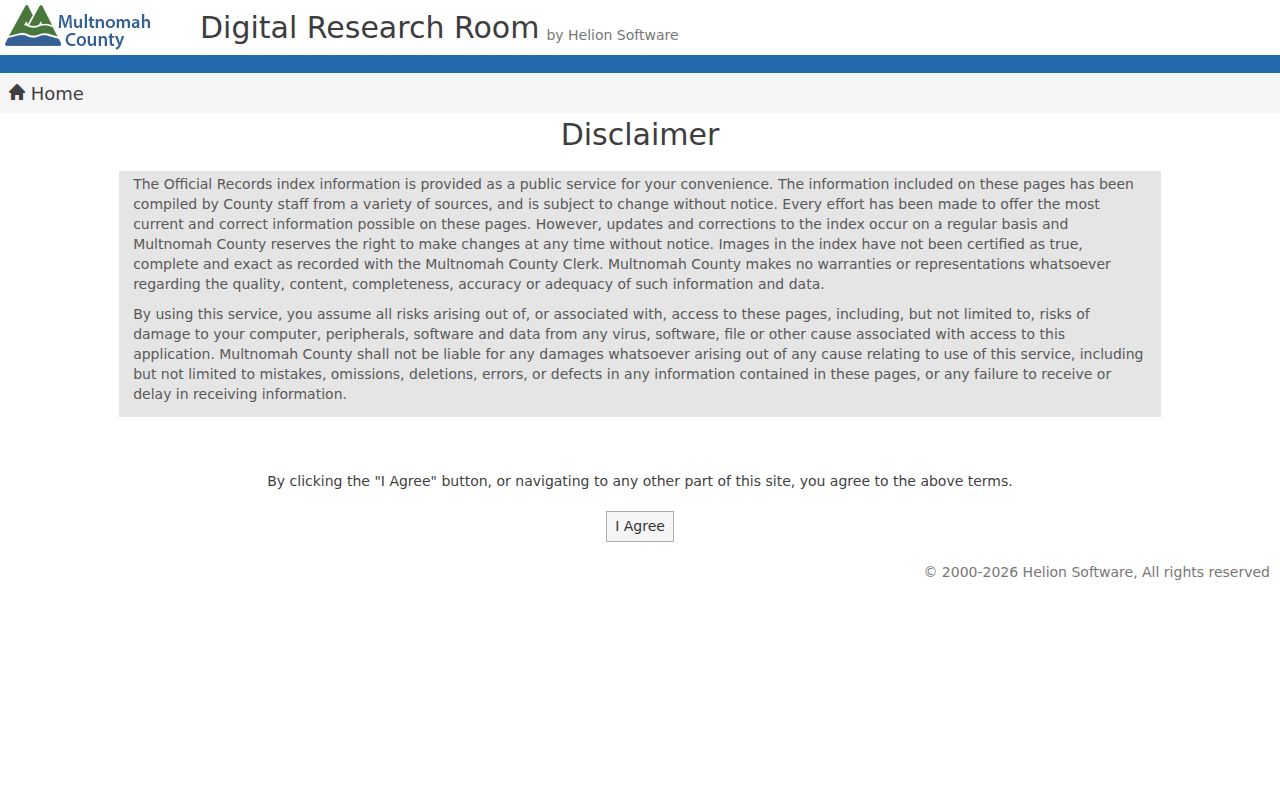
The index is the online first step. DART's research room and request process carry the trail back to Gresham's older title material.
Gresham Voter Records Need a Narrow Request
Oregon My Vote lets a voter check their own registration and ballot status. It is not a public name browser. For a lawful geographic list, use the State voter-list request channel or Multnomah County Elections. County requesters go through the Public Records Center. Pick Elections Division and Voter List. Spell out the list type, geography or precinct, date or status need, and delivery format. When a charge applies, the office invoices before release.
County options include a Voter Registration List. There is also a Walking List in precinct walking order, plus listed election-status formats. A produced list carries the public fields Oregon law allows. Ballot choices and protected identifiers never appear. Oregon rolls shift constantly as registrations update. Keep the production date with any list you receive. The listed price is $25 per list. Add $.025 per 100 records. A $5 minimum and a $500 maximum apply. State electronic-list requests carry a ten-business-day estimate and separate statewide pricing. Review the Oregon voter-list request information before choosing a format.
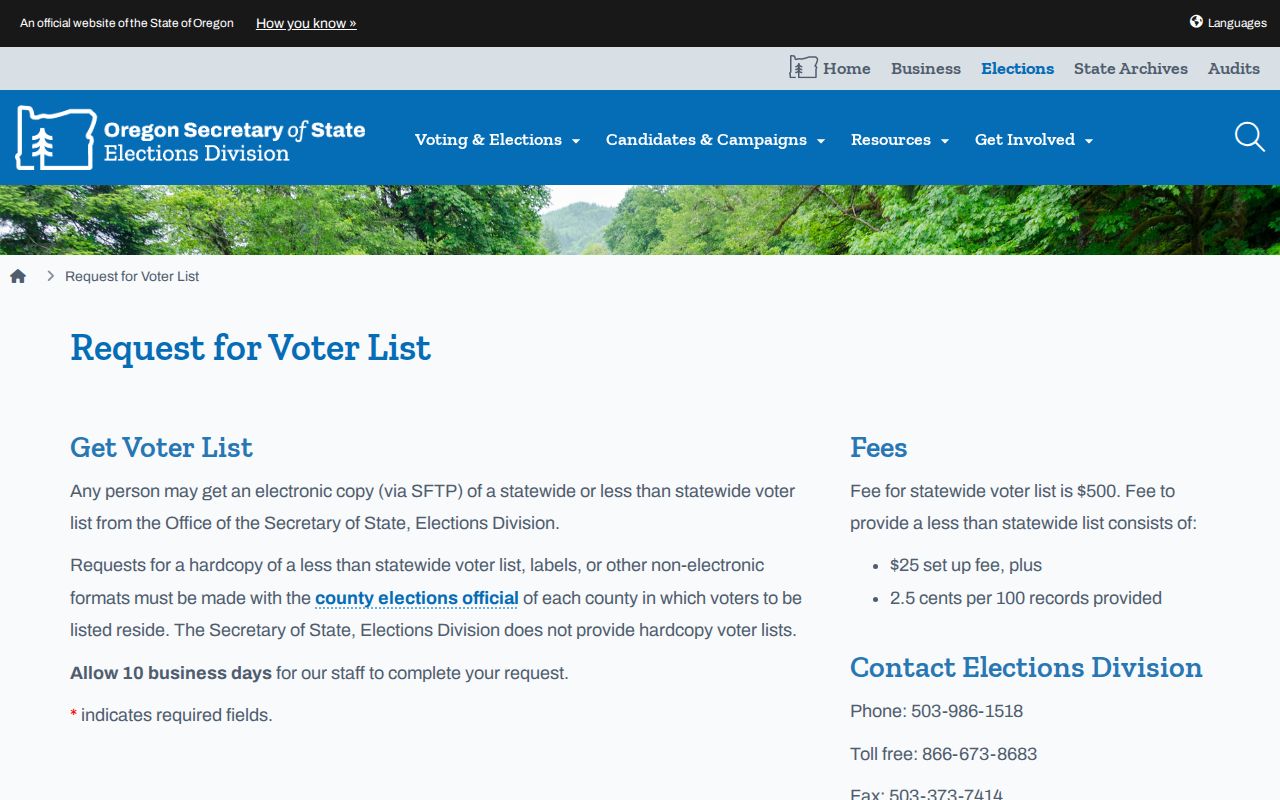
The request route makes a list's purpose, geography, and delivery method explicit. No open self-service Gresham directory is implied. Oregon's My Vote service stays the right path for a voter checking their own status.
That screen is not a broad Gresham resident-search interface. Public geographic information flows through the request channel instead.
Gresham Current Resident Sources
Current Gresham resident information is scattered because each custodian records one role. County property and recorded-document material shows a property owner or a party to a transfer. A voter list is a controlled election record. A court register can name a party in a public case. Protected categories stay closed. The City public staff directory is a contact tool, not a municipal resident roll. The City neighborhood-association finder identifies an association and its meeting or contact path. It is no household roster either.
| Source | Who It Lists | Keeper | Access |
|---|---|---|---|
| Property tax account | Owner of record and parcel facts | DART | Guest search by ID or address; request and research room alternatives |
| Recorded-document index | Recorded parties and transfer details | County Clerk / DART | Web index from February 2002; room index reaches 1855 |
| County voter list | Registered electors' permitted list fields | Multnomah County Elections | Defined request with statutory limits and production date |
| Public court register | Named parties in eligible public cases | Oregon Judicial Department | Free basic service, terminal, subscription, or clerk-copy route |
| Association finder | Boundary, meeting, and public contact pathway | City of Gresham | Open City resource, not a membership directory |
For a question about one named person, compare only records that answer it, and keep their limits in view. The Gresham resident lookup route focuses on that verification work. It does not recast every owner or party record as proof of residency.
Gresham Court Names Need Verification
Gresham falls under the Multnomah County Circuit Court, Fourth Judicial District. That court is the official custodian of every case record. Oregon Judicial Department opens several doors to those files. Free case and calendar lookup covers the basics. OJCIN Online serves registered subscribers with near-real-time case registers and judgment dockets. A free public terminal at the courthouse reaches most cases. Protected categories stay sealed either way. Adoption, juvenile, mental-health, and VAWA-related cases are not exposed through the free service. The filing court remains the official record. Online documents carry user-category limits.
For a specific document, the Multnomah Court Records Office takes requests several ways. Online orders work. Email goes to MUL.Records@ojd.state.or.us. Mail is another option. Phone at 971-274-0570 works during its published call windows. A walk-in to Room 3315, 1200 SW 1st Ave., Portland also works. Include a case number if you have one. Add the filing year, party names, document title, and any certification or delivery needs. A same-named person can muddy results. Compare case number, filing date, and party role first. OJD's free records and calendars page is worth a stop before calling the clerk.
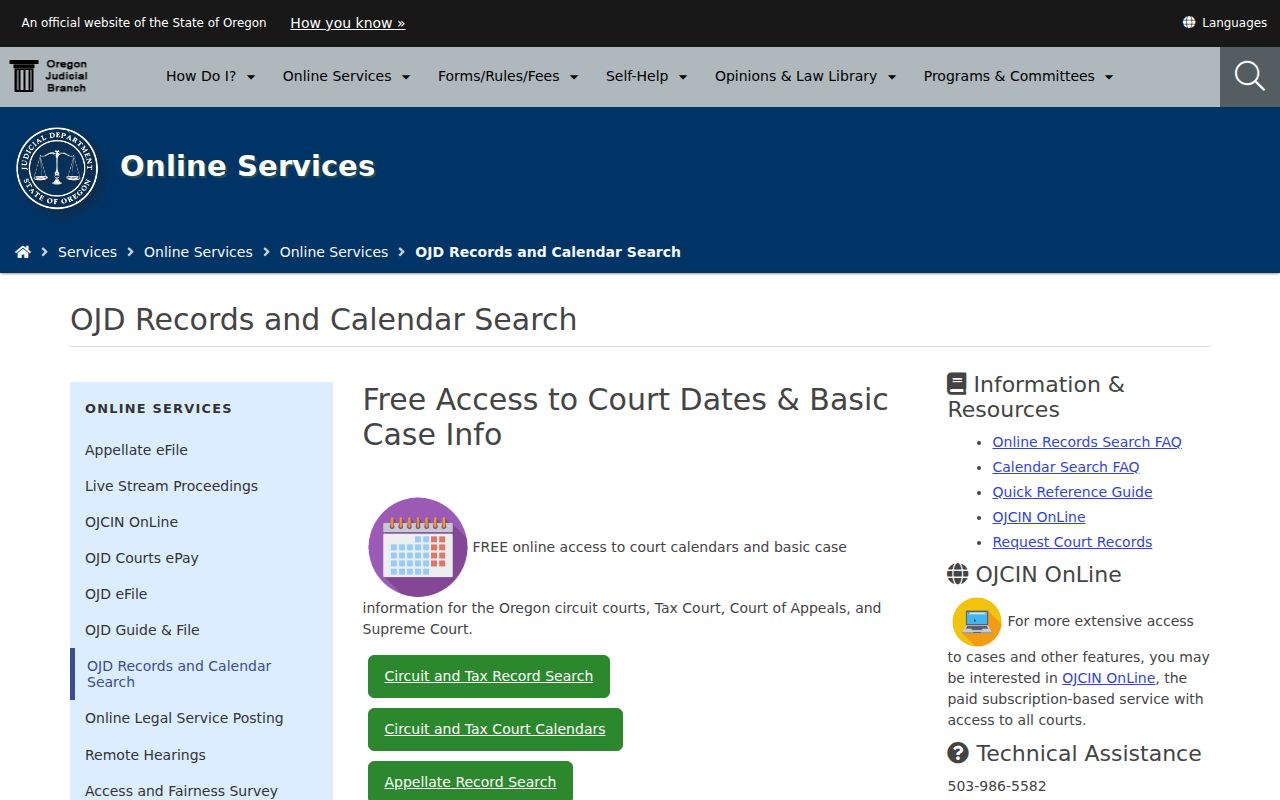
Availability can shift. When it does, the courthouse terminal and the Court Records Office remain the Gresham fallbacks, and OJD's OJCIN Online information explains the statewide subscription service and its access categories.
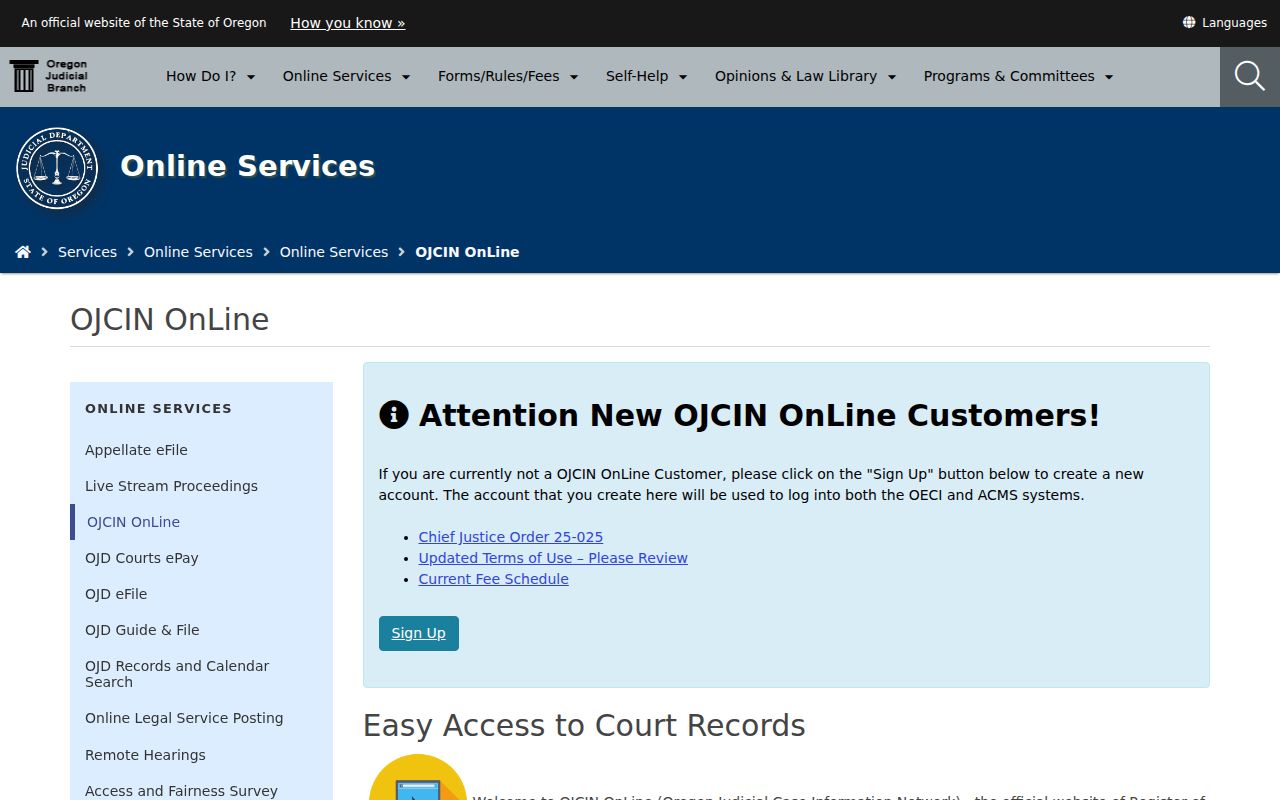
Treat an OJCIN result as a pointer, not proof. Follow it to the correct court file, then request an official copy from the court when one is needed.
Gresham Vital Records Have Legal Limits
Oregon treats vital records as protected history, not as an open name index. Births stay restricted for 100 years. Deaths, fetal deaths, marriages, domestic partnerships, and dissolutions stay restricted for 50, all under ORS 432.350 and ORS 432.380 and the historic-record rules those statutes carry. The Oregon Health Authority wants a signed application, proof of identity, and eligibility evidence before it releases anything inside a restricted window. The State Archives reports that 1925 births and 1975 death, marriage, and divorce returns entered the rolling historic range at the start of 2026.
Several channels exist for a legitimate request. OHA handles online, phone, mail, drop-box, and appointment orders. Multnomah County issues certified birth and death copies only for county events, and only during the first six months before OHA takes over. The State Archives supports on-site historic research plus copy or research requests with a name, event date, city, and county included. Marriage records held by the county and dissolutions held by the courts follow ORS 432.360, with judicial safeguards for Social Security details. Ask the right custodian for the specific record rather than treating a life event as a general person search.
Gresham Records Have Real Counters
An online gap has a local counter. DART's research room holds the deed index back to 1855. Recorded images start in 1955, tax rolls in 1909, and characteristics records in 1991. County Archives keeps older county material. That includes an 1849 to 1854 deed book. Research appointments run Tuesday through Thursday, 9 to 4. Library staff offer the local-history route through old directories, rural maps, and newspaper databases. The State Archives and the Multnomah Court records office each maintain their own request procedures.
City-created records go to the Gresham City Recorder. That means permits, inspections, planning, police, fire, and Council material. The City form asks for a document description and a property address when one applies. An estimate above $25 needs approval. A deposit may apply too. Oregon Public Records Law, ORS 192.311 through 192.478, sets the timeline. An agency must complete the request, or acknowledge it and state custody, within five business days, then finish the work or supply a status estimate in the stated period under the clarification and fee rules.
Gresham Historical Resident Directories
Multnomah County Library's East of I-205 house-history guide is the starting point. It points to Gresham and Central Library directories. Each has by-address sections for houses and businesses inside Gresham's then-current limits. Catalog leads include Polk's Gresham city directory and the Portland East Suburban Directory. Coverage varies by volume. Some volumes reach Fairview, Parkrose, Troutdale, and Wood Village. The public catalog shows no complete Gresham run. Check each volume and year before assuming it exists.
The rural bridge is the gem. Tscheu Publishing issued rural directories from the late 1950s through the late 1970s, often with route maps. A 1977 Gresham Rural Route No. 2 example is documented. Sanborn maps from the 1867-1970 collection and Metsker atlases from 1927, 1936, and 1944 help test an old street, lot, or building against the current parcel. The Gresham city directories page collects full details and shows how to read an entry.
Note: A missing directory entry may reflect a historical city boundary or rural route, not a missing household.
Gresham Address Changes Need Both Names
Addressing in Gresham works differently than many people assume. The City itself names streets and assigns property addresses inside City limits, drawing on the Gresham Grid and the Portland Metropolitan Grid as needed. The Postal Service does not assign incorporated-Gresham property addresses. Keep that in mind when an old address returns no match in a residents directory or street directory search.
One change shows the pattern. Effective May 15, 2025, 2466 SW Butler Road became 2466 SW 39th Street, and the City notice lists the map and tax lot, State ID, and Property ID. It also notes other Butler Road stretches redesignated as SW Binford Avenue and SW Rodlun Road. So search both street names for any parcel there. Then compare the durable county parcel details. Annexation added land over time, too, so an older record may sit in unincorporated Multnomah County or another municipal context. ZIP labels cannot settle that. The City map, the county parcel, dated boundary context, and the legal description build a far stronger Gresham record trail than a ZIP code directory alone.
Gresham Privacy Rules Set Boundaries
Not everything about a Gresham resident belongs in public view. Oregon's Address Confidentiality Program gives eligible survivors a protected mail-forwarding route. County elections officials handle voter-address exemptions. Voter lists leave out protected details. Those include birth day and month, Social Security and driver-license numbers, signatures, and similar material. Vital records stay controlled under their own statutes. Courts shield confidential case categories. DMV addresses are not a general public resident record under federal and Oregon restrictions.
When a record is wrong, fix it with the custodian that keeps it. DART offers an owner mailing-address correction path. Court records follow court procedures. Election updates go to elections officials, and vital amendments run through OHA processes. Oregon's Consumer Privacy Act and its Data Broker Registry create real commercial-data rights. Yet neither erases government records held independently. A blank field in a resident lookup can be a legal protection. That blank is not a failed search.